

What Are Drug Schedules in Georgia? Controlled Substance Schedules
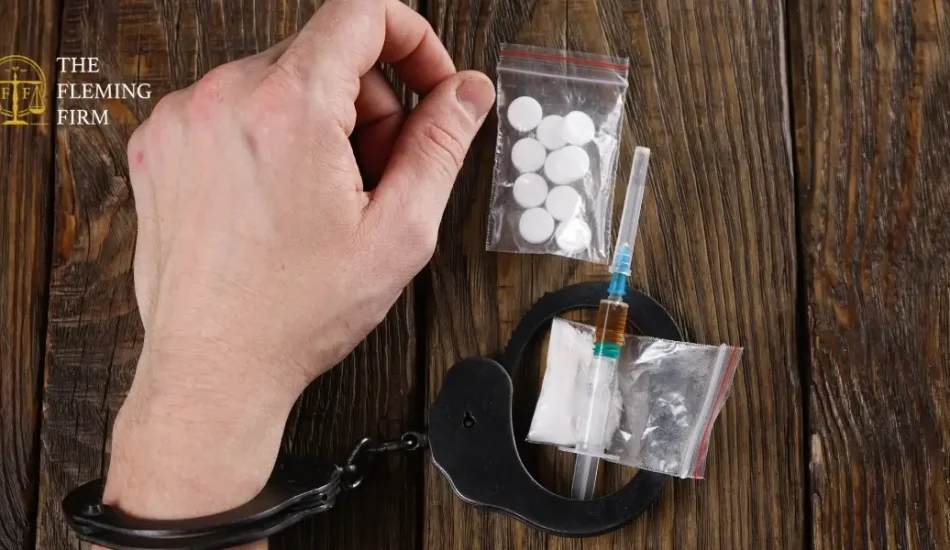
The state of Georgia regulates the possession of both illegal and prescription drugs. Illegal possession of drugs is considered a very serious offense that can subject you to severe penalties and the suspension of your driver’s license. All drugs are divided into schedules that determine their penalty for possession. If you have been charged with possession of an illegal drug, you may be wondering, “What are drug schedules in Georgia?”
What Are Drug Schedules in Georgia?
Georgia divides controlled substances into different levels, or schedules. They are as follows:
- Schedule I. These drugs have a high abuse potential and no accepted medical use.
- Schedule II. These drugs have a high abuse potential, including a high potential for both psychological and physical dependence, but they have accepted medical uses in the United States.
- Schedule III. These drugs have a lower chance of abuse and only a moderate potential for dependence. Like Schedule II drugs, they have an accepted medical use.
- Schedule IV. These drugs have an even lower chance of abuse than Schedule III drugs.
- Schedule V. These drugs have the lowest potential for abuse.
Examples of Drugs in Different Schedules
The Georgia Bureau of Investigation classifies each drug according to where it falls on the scale described above. Here are a few common examples of each category:
- Schedule I drugs. Common examples of Schedule I drugs include heroin, LSD, psilocybin, and marijuana.
- Schedule II drugs. Common examples of Schedule II drugs include cocaine, amphetamines, opium, morphine, and fentanyl.
- Schedule III drugs. Common examples of Schedule III drugs include CNS depressants and stimulants, anabolic steroids, some types of barbiturates, and mixtures containing limited amounts of narcotics.
- Schedule IV drugs. Common examples of Schedule IV drugs include Xanax, Klonopin, Valium, and Ambien.
- Schedule V drugs. Common examples of Schedule V drugs include substances that contain limited amounts of narcotics that don’t fall under Schedule III.
Over-the-counter medications are exempt from drug scheduling. This is why they can be purchased directly by consumers without a prescription.
Penalties for Drug Possession by Schedule
Georgia considers most drug possession charges to be felonies. If you’re caught with drugs, here’s what you can expect:
- Schedule I or narcotic Schedule II drugs. The possession of any Schedule I or II drug is punishable by 2 to 15 years in prison, unless you’ve had prior convictions. If you have one or more prior convictions, you could face up to 30 years in prison.
- Non-narcotic schedule II drugs. Possession is punishable by 2 to 15 years in prison unless you have prior convictions. With one or more prior convictions, you could face 5 to 30 years in prison.
- Schedule II, Schedule IV, or Schedule V drugs. If you’re found in possession of Schedule III, IV, or V drugs, you could face between one and five years in prison. If you have a prior conviction, the sentence can be extended to up to ten years in prison.
Drug Possession by the Numbers
Georgia has a relatively serious drug use problem. In FY 2023, drug convictions accounted for 36.7% of all offenses in the Peach State, compared to just 29.9% nationwide. Georgia’s drug problem isn’t restricted to criminal activity. A total of 1,408 Georgia residents die each year from drug overdoses, as well. While that’s 36.71% below the national average, it still amounts to 1.65% of all deaths.
FAQs
What Is a Schedule II Drug in Georgia?
A Schedule II drug in Georgia is a controlled substance that has a high potential for abuse, but also has some currently accepted medical uses. Schedule 2 controlled substances can lead to severe psychological or physical dependence. They include things like:
- Opioids, including opium, morphine, fentanyl, and oxycodone
- Stimulants, including cocaine and amphetamines
- Depressants, including phenobarbital, amobarbital, and secobarbital
Possession of a Schedule II drug is usually charged as a felony.
What Are Schedule III Drugs in Georgia?
Schedule III drugs in Georgia are substances with a potential for abuse that is lower than that of Schedule I or Schedule II drugs. Schedule III drugs have currently accepted medical uses, and their abuse can lead to only moderate physical or psychological dependence. Examples include:
- Anabolic steroids
- Ketamine
- Buprenorphine
- Some barbiturates
- Dronabinol and Marinol
Penalties for possession of Schedule III drugs vary.
What Is the Difference Between a Schedule I and a Schedule III Drug?
The difference between a Schedule I and a Schedule III drug is that while Schedule I drugs have no known medical uses and a high potential for abuse, Schedule III drugs have currently accepted medical uses and a low potential for physical dependence. The penalties for possession of these substances differ, as well. Schedule I offenses usually carry harsher penalties than Schedule III offenses.
What Qualifies as a Schedule I Drug?
A Schedule I drug in Georgia is a substance that has high potential for abuse and no currently accepted medical use in the United States. These drugs are not considered safe for use even under medical supervision. Common examples of Schedule I drugs include:
- Heroin
- LSD
- Marijuana
- MDMA
- Psilocybin
- Peyote
- Synthetic cannabinoids
- GHB
- Methaqualone
Possession of Schedule 1 substances in Georgia is generally a felony that carries severe penalties.
Can You Be Charged With Possession of Adderall or Xanax Without a Prescription in Georgia?
Yes, possessing Adderall (Schedule II) or Xanax (Schedule IV) without a valid prescription is a felony in Georgia.
- 2–15 years in prison and up to $100,000 fine (first offense).
- 1–3 years in prison and fines. Even one pill can trigger felony charges, especially on college campuses. Prosecutors rarely reduce these cases, and a conviction can mean a permanent criminal record, loss of financial aid, and loss of gun rights.
Hire a Drug Crime Lawyer
When you want to hire a drug crime lawyer, turn to the team at The Fleming Firm for help. We’ve handled countless drug crime cases and understand Georgia’s drug crime laws. We concentrate solely on criminal and DUI defense, and we have the experience you need. If you’re looking for a drug crime attorney, we can help you build an effective defense against your charges. Contact us to schedule an initial consultation.
Request a Consultation
There is a $250 charge for Family Law Consultations
available 24/7
Get In Touch With Us
Fields marked with an “*” are required

office location
1838 Old Norcross Rd,
Suite 200
Lawrenceville, GA 30044
office hours
- Mon – Fri: 9:00 AM to 5:00 PM
- Sat – Sun: 9:00 AM to 6:00 PM
© Copyright 2026 The Fleming Firm. All rights reserved.
Digital Marketing By 